A Brief History of the Office of the Vice President of the United States

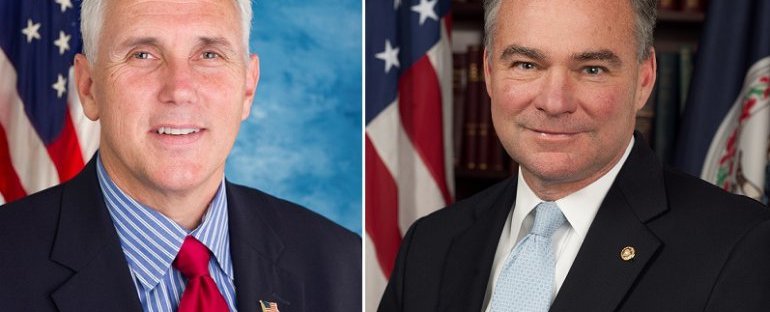
Tonight, Senator Tim Kaine and Governor Mike Pence, the vice presidential candidates for Hillary Clinton and Donald Trump respectively, will debate at Longwood University. This seems like a good opportunity to discuss the office of the Vice President of the United States. It is an office that is little understood and often ridiculed.

Of the office, John Adams said “But my country has in its wisdom contrived for me the most insignificant office that ever the invention of man contrived or his imagination conceived. And as I can do neither good nor evil, I must be borne away by others, and meet the common fate.”

Thomas Jefferson, who served as vice president under John Adams, wrote “The second office of the land is honorable and easy, the first is but a splendid misery.”

Adams and Jefferson are among the remarkable individuals who have served in the office of the vice president. The Senate Historical Office succinctly summarizes the individuals who have served in the office

Fourteen of the former vice presidents became president of the United States—more than half of them after a president had died. One defeated the sitting president with whom he served. One murdered a man and became a fugitive. One joined the Confederate army and led an invasion of Washington, D.C. One was the wealthiest banker of his era. Three received the Nobel Peace Prize and one composed a popular melody. One served as a corporal in the Coast Guard while vice president. One had cities in Oregon and Texas named after him. Two resigned from the office. Two were never elected by the people. One was the target of a failed assassination plot. Another was mobbed in his car while on a goodwill mission. Seven died in office—one in his room in the U.S. Capitol and two fatally stricken while on their way to preside over the Senate. And one piano-playing vice president suffered political repercussions from a photograph showing him playing that instrument while a famous movie actress posed seductively on top of it.

The Constitution and the Vice Presidency

Selecting the Vice President

Article II, Section 1 of the Constitution provides –

The Electors shall meet in their respective States, and vote by Ballot for two Persons, of whom one at least shall not be an Inhabitant of the same State with themselves. And they shall make a List of all the Persons voted for, and of the Number of Votes for each; which List they shall sign and certify, and transmit sealed to the Seat of the Government of the United States, directed to the President of the Senate. The President of the Senate shall, in the Presence of the Senate and House of Representatives, open all the Certificates, and the Votes shall then be counted. The Person having the greatest Number of Votes shall be the President, if such Number be a Majority of the whole Number of Electors appointed; and if there be more than one who have such Majority, and have an equal Number of Votes, then the House of Representatives shall immediately chuse by Ballot one of them for President; and if no Person have a Majority, then from the five highest on the List the said House shall in like Manner chuse the President. But in chusing the President, the Votes shall be taken by States, the Representation from each State having one Vote; A quorum for this Purpose shall consist of a Member or Members from two thirds of the States, and a Majority of all the States shall be necessary to a Choice. In every Case, after the Choice of the President, the Person having the greatest Number of Votes of the Electors shall be the Vice President. But if there should remain two or more who have equal Votes, the Senate shall chuse from them by Ballot the Vice President. (Emphasis Added)

The Election of 1800 and the 12th Amendment

In the contentious election of 1800 between John Adams and Thomas Jefferson, Jefferson and his running mate Aaron Burr ended up receiving the same number of electoral votes. Per the language in Article II, Section 1 (see above), the decision of who would serve as president fell to the House of Representatives. After 35 separate ballots where neither candidate was able to secure a majority, Jefferson was finally able to prevail over Burr. Jefferson became president and Burr served as vice president.

How could this happen? How could candidates running together end up running against each other in the event of a tie? Prior to the passage of the 12th Amendment, the Constitution did not differentiate between presidential and vice presidential candidates. Each elector cast two votes without regard for political affiliation. Whomever received the most votes became president and the runner-up became vice president. Either candidate could win either office, regardless of whether they initially set out to run in one position or the other. The election of 1800 put pressure on Congress to fix this system, and so by 1804 the 12th Amendment was passed by Congress and ratified by the requisite number of states. The Amendment reads –

The electors shall meet in their respective states and vote by ballot for President and Vice-President, one of whom, at least, shall not be an inhabitant of the same state with themselves; they shall name in their ballots the person voted for as President, and in distinct ballots the person voted for as Vice-President, and they shall make distinct lists of all persons voted for as President, and of all persons voted for as Vice-President, and of the number of votes for each, which lists they shall sign and certify, and transmit sealed to the seat of the government of the United States, directed to the President of the Senate;–The President of the Senate shall, in the presence of the Senate and House of Representatives, open all the certificates and the votes shall then be counted;–the person having the greatest number of votes for President, shall be the President, if such number be a majority of the whole number of electors appointed; and if no person have such majority, then from the persons having the highest numbers not exceeding three on the list of those voted for as President, the House of Representatives shall choose immediately, by ballot, the President. But in choosing the President, the votes shall be taken by states, the representation from each state having one vote; a quorum for this purpose shall consist of a member or members from two-thirds of the states, and a majority of all the states shall be necessary to a choice. And if the House of Representatives shall not choose a President whenever the right of choice shall devolve upon them, before the fourth day of March next following, then the Vice-President shall act as President, as in the case of the death or other constitutional disability of the President. The person having the greatest number of votes as Vice-President, shall be the Vice-President, if such number be a majority of the whole number of electors appointed, and if no person have a majority, then from the two highest numbers on the list, the Senate shall choose the Vice-President; a quorum for the purpose shall consist of two-thirds of the whole number of Senators, and a majority of the whole number shall be necessary to a choice. But no person constitutionally ineligible to the office of President shall be eligible to that of Vice-President of the United States. (Emphasis added)

Duties of the Vice President Under the Constitution

Under Article II, Section I, of the Constitution, the Vice President will act as president when the sitting president is removed from office, or if (s)he dies, resigns or is unable to discharge the powers and duties of the office.

In case of the removal of the President from office, or of his death, resignation, or inability to discharge the powers and duties of the said office, the same shall devolve on the Vice President, and the Congress may by law provide for the case of removal, death, resignation or inability, both of the President and Vice President, declaring what officer shall then act as President, and such officer shall act accordingly, until the disability be removed, or a President shall be elected.

Under Article I, Section III,

The Vice President of the United States shall be President of the Senate, but shall have no vote, unless they be equally divided.

Furthermore, Article II, Section 1 provides that the President of the Senate (the Vice President) shall receive from the states the tally of electoral ballots cast for president and vice president and open the certificates “in the Presence of the Senate and House of Representatives,” so that the total votes could be counted. In 2000, this led to a famously awkward moment when then-Vice President Al Gore had to formally certify his opponent in the 2000 presidential race, George W. Bush, as president of the United States.

The decision of the Framers to have the Vice President preside over the Senate was not an uncontroversial one. Joseph Story on his Commentaries on the Constitution explained

§ 733. Some objections have been taken to the appointment of the vice president to preside in the senate. It was suggested in the state conventions, that the officer was not only unnecessary, but dangerous; that it is contrary to the usual course of parliamentary proceedings to have a presiding officer, who is not a member; and that the state, from which he comes, may thus have two votes, instead of one. It has also been coldly remarked by a learned commentator, that “the necessity of providing for the case of a vacancy in the office of president doubtless gave rise to the creation of that officer; and for want of something else for him to do, whilst there is a president in office, he seems to have been placed, with no very great propriety, in the chair of the senate.”

There were additional separation of powers concerns raised during the Constitutional Convention. George Mason of Virginia

thought the office of vice-President an encroachment on the rights of the Senate; and that it mixed too much the Legislative & Executive, which as well as the Judiciary departments, ought to be kept as separate as possible. 

So what of the vice presidency today? Nearly 1/3 of Americans can’t name our current Vice President. All the more reason to study up on the history of the office!


A Civic Holiday for SCOTUS Enthusiasts: The First Monday in October

28 U.S.C § 2 states that “The Supreme Court shall hold at the seat of government a term of court commencing on the first Monday in October of each year and may hold such adjourned or special terms as may be necessary.”

And so the first Monday in October has become an unofficial civic holiday of sorts for followers of the United States Supreme Court. And so it seems only appropriate to spend some time discussing the history of the United States Supreme Court.

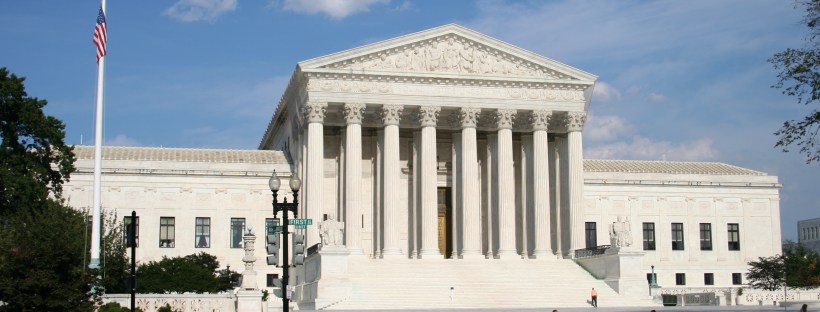
Article III, §1 of the United States Constitution states that “[t]he judicial Power of the United States, shall be vested in one supreme Court, and in such inferior Courts as the Congress may from time to time ordain and establish.” The Supreme Court of the United States was created in accordance with this provision and by authority of the Judiciary Act of September 24, 1789. It was organized on February 2, 1790.

Article III, §2 of the Constitution sets out the jurisdiction of the Supreme Court and provides that

“The judicial Power shall extend to all Cases, in Law and Equity, arising under this Constitution, the Laws of the United States, and Treaties made, or which shall be made, under their Authority;-to all Cases affecting Ambassadors, other public Ministers and Consuls;-to all Cases of admiralty and maritime Jurisdiction;-to Controversies to which the United States shall be a Party;-to Controversies between two or more States;—between a State and Citizens of another State;-between Citizens of different States;—between Citizens of the same State claiming Lands under Grants of different States, and between a State, or the Citizens thereof, and foreign States, Citizens or Subjects.

“In all Cases affecting Ambassadors, other public ministers and Consuls, and those in which a State shall be Party, the supreme Court shall have original Jurisdiction. In all the other Cases before mentioned, the supreme Court shall have appellate jurisdiction, both as to Law and Fact, with such Exceptions, and under such Regulations as the Congress shall make.”

Under authority given to Congress by the Constitution, various statutes have been passed conferring appellate jurisdiction upon the U.S. Supreme Court.

The U.S. Supreme Court consists of the Chief Justice of the United States and 8 associate justices (the number currently fixed by statute in 28 U.S.C. §1).

Article III, §1 provides that “[t]he Judges, both of the supreme and inferior Courts, shall hold their Offices during good Behaviour, and shall, at stated Times, receive for their Services, a Compensation, which shall not be diminished during their Continuance in Office.”

The current justices of the United States Supreme Court include:

(1) Chief Justice John G. Roberts

(2) Associate Justice Anthony M. Kennedy

(3) Associate Justice Clarence Thomas

(4) Associate Justice Ruth Bader Ginsburg

(5) Associate Justice Stephen G. Breyer

(6) Associate Justice Samuel A. Alito, Jr.

(7) Associate Justice Sonio Sotomayor

(8) Associate Justice Elena Kagan

There is currently one vacancy on the Court. Chief Judge Merrick Garland of the United States Court of Appeals for the District of Columbia Circuit has been nominated by President Obama to fill that vacancy. The Senate has not yet voted to confirm Garland’s nomination. Article II, §2 of the Constitution states that the President “shall nominate, and by and with the advice and consent of the Senate, shall appoint . . . judges of the Supreme Court.”


In Honor of the 11th Anniversary of John Roberts Being Sworn in as the 17th Chief Justice of the United States Supreme Court, A Brief History of Our Nation’s Chief Justices

On September 29, 2005, John G. Roberts, Jr., was sworn in as the 17th Chief Justice of the United States Supreme Court. You can watch his swearing in ceremony here.

This seems like a nice opportunity to spotlight all of our nation’s chief justices (note: all images and biographical information are provided below from the Supreme Court Historical Society):

(1) Chief Justice John Jay, 1789-1795

001_jay

JOHN JAY was born on December 12, 1745, in New York, New York, and grew up in Rye, New York. He was graduated from King’s College (Now Columbia University) in 1764. He read law in a New York law firm and was admitted to the bar in 1768. Jay served as a delegate to both the First and Second Continental Congresses, and was elected President of the Continental Congress in 1778. He also served in the New York State militia. In 1779, Jay was sent on a diplomatic mission to Spain in an effort to gain recognition and economic assistance for the United States. In 1783, he helped to negotiate the Treaty of Paris, which marked the end of the Revolutionary War. Jay favored a stronger union and contributed five essays to The Federalist Papers in support of the new Constitution. President George Washington nominated Jay the first Chief Justice of the United States on September 24, 1789. The Senate confirmed the appointment on September 26, 1789. In April 1794, Jay negotiated a treaty with Great Britain, which became known as the Jay Treaty. After serving as Chief Justice for five years, Jay resigned from the Supreme Court on June 29, 1795, and became Governor of New York. He declined a second appointment as Chief Justice in 1800, and President John Adams then nominated John Marshall for the position.

(2) Chief Justice John Rutledge, 1795

002_rutledge

JOHN RUTLEDGE was born in Charleston, South Carolina, in September 1739. He studied law at the Inns of Court in England, and was admitted to the English bar in 1760. In 1761, Rutledge was elected to the South Carolina Commons House of Assembly. In 1764, he was appointed Attorney General of South Carolina by the King’s Governor and served for ten months. Rutledge served as the youngest delegate to the Stamp Act Congress of 1765, which petitioned King George III for repeal of the Act. Rutledge headed the South Carolina delegation to the Constitutional Convention in 1787 and served as a member of the South Carolina Ratification Convention the following year. On September 24, 1789, President George Washington nominated Rutledge one of the original Associate Justices of the Supreme Court of the United States. The Senate confirmed the appointment two days later. After one year on the Supreme Court, Rutledge resigned in 1791 to become Chief Justice of South Carolina’s highest court. On August 12, 1795, President George Washington nominated Rutledge Chief Justice of the United States. He served in that position as a recess appointee for four months, but the Senate refused to confirm him.

(3) Chief Justice Oliver Ellsworth, 1796-1800

003_ellsworth

OLIVER ELLSWORTH was born on April 29, 1745, in Windsor, Connecticut. Ellsworth attended Yale College until the end of his sophomore year, and then transferred to the College of New Jersey (now Princeton University), where he was graduated in 1766. He read law in a law office for four years and was admitted to the bar in 1779. Ellsworth was a member of the Connecticut General Assembly from 1773 to 1776. From 1777 to 1784, he served as a delegate to the Continental Congress and worked on many of its committees. After service on the Connecticut Council of Safety and the Governor’s Council, he became a Judge of the Superior Court of Connecticut in 1785. As a delegate to the Federal Constitutional Convention in Philadelphia in 1787, Ellsworth helped formulate the “Connecticut Compromise,” which resolved a critical debate between the large and small states over representation in Congress. Ellsworth was elected to the First Federal Congress as a Senator. There he chaired the committee that drafted the Judiciary Act of 1789, which established the federal court system. On March 3, 1796, President George Washington nominated Ellsworth Chief Justice of the United States and the Senate confirmed the appointment the following day. He resigned from the Supreme Court on September 30, 1800.

(4) Chief Justice John Marshall, 1801-1835

004_marshall

JOHN MARSHALL was born on September 24, 1755, in Germantown, Virginia. Following service in the Revolutionary War, he attended a course of law lectures conducted by George Wythe at the College of William and Mary and continued the private study of law until his admission to practice in 1780. Marshall was elected to the Virginia House of Delegates in 1782, 1787, and 1795. In 1797, he accepted appointment as one of three envoys sent on a diplomatic mission to France. Although offered appointment to the United States Supreme Court in 1798, Marshall preferred to remain in private practice. Marshall was elected to the United States House of Representatives in 1799, and in 1800 was appointed Secretary of State by President John Adams. The following year, President Adams nominated Marshall Chief Justice of the United States, and the Senate confirmed the appointment on January 27, 1801. Notwithstanding his appointment as Chief Justice, Marshall continued to serve as Secretary of State throughout President Adams’ term and, at President Thomas Jefferson’s request, he remained in that office briefly following Jefferson’s inauguration. Marshall served as Chief Justice for 34 years, the longest tenure of any Chief Justice. During his tenure, he helped establish the Supreme Court as the final authority on the meaning of the Constitution.

(5) Chief Justice Roger Brooke Taney, 1836-1864
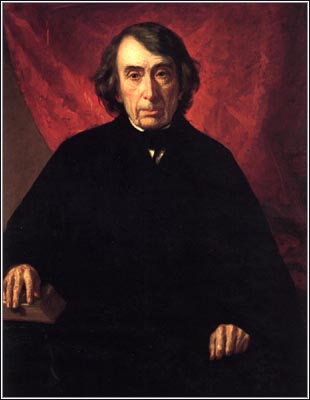
005_taney

ROGER BROOKE TANEY was born in Calvert County, Maryland, on March 17, 1777. He was graduated from Dickinson College in 1795. After reading law in a law office in Annapolis, Maryland, he was admitted to the bar in 1799. In the same year, he was elected to the Maryland House of Delegates. Defeated for re-election, he was elected to the State Senate in 1816 and served until 1821. In 1823, Taney moved to Baltimore, where he continued the practice of law. From 1827 to 1831, Taney served as Attorney General for the State of Maryland. In 1831, Taney was appointed Attorney General of the United States by President Andrew Jackson. On September 23, 1833, Taney received a recess appointment as Secretary of the Treasury. When the recess appointment terminated, Taney was formally nominated to serve in that position, but the Senate declined to confirm the appointment in 1834. In 1835, Taney was nominated as Associate Justice by President Jackson to succeed Justice Duvall, but the Senate failed to confirm him. On December 28, 1835, President Jackson nominated Taney Chief Justice of the United States. The Senate confirmed the appointment on March 15, 1836. Taney served as Chief Justice for twenty-eight years.

(6) Chief Justice Salmon Portland Chase, 1864-1873

006_chase.jpg

SALMON PORTLAND CHASE was born in Cornish, New Hampshire, on January 13, 1808, and was raised in Ohio. He returned to New Hampshire to attend Dartmouth College and was graduated in 1826 at the age of eighteen. He then moved to Washington, D.C., where he read law under Attorney General William Wirth. Chase was admitted to the bar in 1829 and moved to Cincinnati, Ohio, where he worked as a lecturer, writer, and editor while he established a legal practice. Chase became involved in the anti-slavery movement, and in 1848 he helped to write the platform of the Free Soilers Party. In 1848, the Ohio legislature elected Chase to the United States Senate, where he served one six-year term. In 1855, he was elected to a four-year term as Governor of Ohio, and in 1860 he was re-elected to the United States Senate. Chase resigned his Senate seat after only two days to accept a wartime appointment by President Abraham Lincoln as Secretary of the Treasury. He resigned from that post in June 1864. Six months later, on December 6, 1864, President Lincoln nominated Chase Chief Justice of the United States. The Senate confirmed the appointment on December 15, 1864. Chase served as Chief Justice for eight years

(7) Chief Justice Morrison R. Waite, 1874-1888

007_waite

MORRISON R. WAITE was born in Lyme, Connecticut on November 29, 1816. He was graduated from Yale College in 1837 and moved to Ohio to read law with an attorney in Maumee City. Waite was admitted to the bar in 1839 and practiced in Maumee City until 1850. He then moved to Toledo, where he practiced until 1874. Waite was elected to the Ohio General Assembly in 1850 and served one term. He ran unsuccessfully for the United States House of Representatives in 1846 and 1862. Waite declined an appointment to the Ohio Supreme Court in 1863. In 1871, President Ulysses S. Grant appointed Waite to a Commission established to settle United States claims against Great Britain, arising out of the latter’s assistance to the Confederacy during the Civil War. The proceedings resulted in an award of $15.5 million in compensation to the United States. Upon his return from Europe, Waite was elected to the Ohio Constitutional Convention of 1873 and was unanimously selected to serve as its president. During the Convention, on January 19, 1874, President Grant nominated Waite Chief Justice of the United States. The Senate confirmed the appointment two days later. Waite served as Chief Justice for fourteen years.

(8) Chief Justice Melville Weston Fuller, 1888-1910

008_fuller

MELVILLE WESTON FULLER was born in Augusta, Maine, on February 11, 1833, and was graduated from Bowdoin College in 1853. Fuller read law in Bangor, Maine, and was admitted to the bar after six months of study at Harvard Law School. In 1855, Fuller began to practice law in Augusta, Maine, and was elected President of the Augusta Common Council and appointed city solicitor. In 1856, Fuller moved west to Chicago, where he established a law practice and became active in politics. He was elected to the Illinois House of Representatives in 1863 and served one term. In succeeding years he was offered the positions of Chairman of the Civil Service Commission and Solicitor General of the United States but declined both. President Grover Cleveland nominated Fuller Chief Justice of the United States on April 30, 1888. The Senate confirmed the appointment on July 20, 1888. While on the Court, Fuller served on the Venezuela-British Guiana Border Commission and the Court of Permanent Arbitration at the Hague. Fuller served twenty-one years as Chief Justice.

(9) Chief Justice Edward Douglas White, 1910-1921

009_white-1

EDWARD DOUGLAS WHITE was born in the Parish of Lafourche, Louisiana, on November 3, 1845. While White was studying at Georgetown College (now Georgetown University) the Civil War began and he returned home to join the Confederate Army. He was captured in 1863 by Union troops and remained in captivity until the end of the War. Upon his release in 1865, White read law and attended the University of Louisiana. He was admitted to the bar in 1866 and established a law practice in New Orleans. White was elected to the Louisiana State Senate in 1874, and from 1878 to 1880 he served on the Louisiana Supreme Court. In 1891, the State Legislature elected him to the United States Senate. President Grover Cleveland nominated White to the Supreme Court of the United States on February 19, 1894. The Senate confirmed the appointment the same day. White had served for sixteen years on the Court when, on December 12, 1910, President William H. Taft nominated him Chief Justice of the United States. The Senate confirmed the appointment the same day. White was the first Associate Justice to be appointed Chief Justice. White served on the Court for a total of twenty-six years, ten of them as Chief Justice.

(10) Chief Justice William Howard Taft, 1921-1930

010_taft (1).jpg

WILLIAM HOWARD TAFT was born in Cincinnati, Ohio, on September 15, 1857. He was graduated from Yale University in 1878 and from Cincinnati Law School in 1880. Taft began his career in private practice in Cincinnati. After serving as an assistant prosecutor and a Judge of the Ohio Superior Court, he was appointed Solicitor General of the United States in 1890. From 1892 to 1900, Taft served as a Judge on the United States Court of Appeals for the Sixth Circuit. In 1901, he was named Civilian Governor of the Philippines. In 1904, President Theodore Roosevelt appointed Taft Secretary of War. Taft was elected President of the United States in 1908 and served one term. After leaving the White House, Taft taught constitutional law at Yale University and appeared frequently on the lecture circuit. From 1918 to 1919, he served as Joint Chairman of the War Labor Board. President Warren G. Harding nominated Taft Chief Justice of the United States on June 30, 1921. The senate confirmed the appointment the same day, making Taft the only person in history to have been both President and Chief Justice. As Chief Justice he focused on the administration of justice and at his request Congress created the Conference of Senior Circuit (Chief) Judges to oversee court administration. This body became the Judicial Conference of the United States. Taft retired from the Court on February 3, 1930, after serving eight years as Chief Justice.

(11) Chief Justice Charles Evans Hughes, 1930 – 1941

011_hughes-1

CHARLES EVANS HUGHES was born in Glens Falls, New York, on April 11, 1862. He was graduated in 1881 from Brown University and received a law degree from Columbia University in 1884. For the next twenty years, he practiced law in New York, New York, with only a three-year break to teach law at Cornell University. Hughes was elected Governor of New York in 1905 and re-elected two years later. On April 25, 1910, President William H. Taft nominated Hughes to the Supreme Court of the United States, and the Senate confirmed the appointment on May 2, 1910. Hughes resigned from the Court in 1916 upon being nominated by the Republican Party to run for president. After losing the election to Woodrow Wilson, he returned to his law practice in New York. Hughes served as Secretary of State from 1921 to 1925. He subsequently resumed his law practice while serving in the Hague as a United States delegate to the Permanent Court of Arbitration from 1926 to 1930. On February 3, 1930, President Herbert Hoover nominated Hughes Chief Justice of the United States, and the Senate confirmed the appointment on February 13, 1930. He served as Chairman of the Judicial Conference of the United States from 1930 to 1941. Hughes retired on July 1, 1941, after serving eleven years as Chief Justice.

(12) Chief Justice Harlan Fiske Stone, 1941-1946
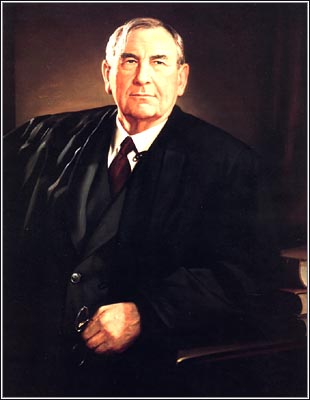
012_stone.jpg

HARLAN FISKE STONE was born on October 11, 1872, in Chesterfield, New Hampshire. He was graduated from Amherst College in 1894. After teaching high school chemistry for one year, he studied law at Columbia University, where he received his degree in 1898. In 1899, Stone was admitted to the bar and joined a New York law firm. For the next twenty-five years he divided his time between his practice and a career as a professor of law at Columbia University. He became Dean of the Law School in 1910 and remained in that position for thirteen years. In 1924, President Calvin Coolidge appointed Stone Attorney General of the United States. The following year, on January 5, 1925, President Coolidge nominated him to the Supreme Court of the United States. The Senate confirmed the appointment February 5, 1925. After sixteen years of service as an Associate Justice, Stone was nominated Chief Justice of the United States by President Franklin D. Roosevelt on June 12, 1941. He served as Chairman of the Judicial Conference of the United States from 1941 to 1946. Stone served a total of twenty years on the Court.

(13)  Chief Justice Fred M. Vinson, 1946-1953

013_vinson.jpg

FRED M. VINSON was born in Louisa, Kentucky, on January 22, 1890. He was graduated from Centre College in 1909 and from its Law School two years later. In 1911, Vinson was admitted to the bar and began to practice law in Ashland, Kentucky. Vinson became City Attorney of Ashland and, in 1921, Commonwealth’s Attorney for the County. He was elected to the United States House of Representatives in 1924 and was re-elected in 1926. He resumed his Ashland practice for two years and then won re-election to the House for four consecutive terms. In 1938, President Franklin D. Roosevelt appointed him to the United States Court of Appeals for the District of Columbia Circuit. Vinson served the Roosevelt Administration during World War II in a succession of positions starting in 1943: Director of the Office of Economic Stabilization, Administrator of the Federal Loan Agency, and Director of the Office of War Mobilization and Reconversion. In 1945, shortly after the end of the War, President Harry Truman appointed Vinson Secretary of the Treasury. On June 6, 1946, President Truman nominated Vinson Chief Justice of the United States. The Senate confirmed the appointment on June 20, 1946. He served as Chairman of the Judicial Conference of the United States from 1946 to 1953. Vinson served for seven years as Chief Justice.

(14) Chief Justice Earl Warren, 1953-1969

014_warren.jpg

EARL WARREN was born in Los Angeles, California, on March 19, 1891. He was graduated from the University of California in 1912 and went on to receive a law degree there in 1914. He practiced for a time in law offices in San Francisco and Oakland. In 1919, Warren became Deputy City Attorney of Oakland, beginning a life in public service. In 1920, he became Deputy Assistant District Attorney of Alameda County. In 1925, he was appointed District Attorney of Alameda County, to fill an unexpired term, and was elected and re-elected to the office in his own right in 1926, 1930, and 1934. In 1938, he was elected Attorney General of California. In 1942, Warren was elected Governor of California, and he was twice re-elected. In 1948, he was the Republican nominee for Vice President of the United States, and in 1952, he sought the Republican party’s nomination for President. On September 30, 1953, President Dwight D. Eisenhower nominated Warren Chief Justice of the United States under a recess appointment. The Senate confirmed the appointment on March 1, 1954. Warren served as Chairman of the Judicial Conference of the United States from 1953 to 1969 and as Chairman of the Federal Judicial Center from 1968 to 1969. He also chaired the commission of inquiry into the assassination of President John F. Kennedy in 1963. He retired on June 23, 1969, after fifteen years of service.

(15) Chief Justice Warren E. Burger, 1969-1986

015_burger.jpg

WARREN E. BURGER was born in St. Paul, Minnesota, on September 17, 1907. After pre-legal studies at the University of Minnesota in high classes, he earned a law degree in 1931 from the St. Paul College of Law (now William Mitchell College of Law) by attending four years of night classes while working in the accounting department of a life insurance company. He was appointed to the faculty of his law school upon graduation and remained on the adjunct faculty until 1946. Burger practiced with a St. Paul law firm from 1931 to 1953. In 1953, President Dwight D. Eisenhower appointed Burger Assistant Attorney General of the United States, Chief of the Civil Division of the Department of Justice. In 1955, President Eisenhower appointed him to the United States Court of Appeals for the District of Columbia Circuit, where he served until 1969. President Richard M. Nixon nominated Burger Chief Justice of the United States on May 22, 1969. The Senate confirmed the appointment on June 9, 1969, and he took office on June 23, 1969. In July 1985, President Ronald Reagan appointed Burger Chairman of the Commission on the Bicentennial of the United States Constitution. As Chief Justice he served as Chairman of the Judicial Conference of the United States and as Chairman of the Federal Judicial Center from 1969 to 1986. Burger retired from the Court on September 26, 1986, after seventeen years of service, and continued to direct the Commission on the Bicentennial of the United States Constitution from 1986 to 1992.

(16) Chief Justice William Hubbs Rehnquist, 1986-2005

016_rehnquist

WILLIAM HUBBS REHNQUIST was born in Milwaukee, Wisconsin, October 1, 1924. He served in the Army Air Corps during World War II as a weather observer in North Africa. Following the war, he attended college on the GI Bill, earning both a B.A. (Phi Beta Kappa) and M.A. in political science at Stanford University in 1948. Rehnquist received a second M.A., in government, from Harvard two years later. He then entered Stanford Law School, where he graduated first in his class in 1952. (The student who ranked third was Sandra Day, who later joined him on the Supreme Court.) In 1952, Rehnquist clerked for Justice Robert Jackson. Rehnquist served as assistant attorney general for the Justice Department’s Office of Legal Counsel under the Nixon Administration. Rehnquist served on the Supreme Court for 33 years, first as an Associate Justice from 1972 to 1986, and then as the 16th Chief Justice of the United States from 1986 until his death in 2005.

(17) Chief Justice John G. Roberts, Jr., 2005 – Present

John G. Roberts portrait

JOHN G. ROBERTS, Jr. was born in Buffalo, New York, January 27, 1955. He married Jane Marie Sullivan in 1996 and they have two children – Josephine and Jack. He received an A.B. from Harvard College in 1976 and a J.D. from Harvard Law School in 1979. He served as a law clerk for Judge Henry J. Friendly of the United States Court of Appeals for the Second Circuit from 1979–1980 and as a law clerk for then-Associate Justice William H. Rehnquist of the Supreme Court of the United States during the 1980 Term. He was Special Assistant to the Attorney General, U.S. Department of Justice from 1981–1982, Associate Counsel to President Ronald Reagan, White House Counsel’s Office from 1982–1986, and Principal Deputy Solicitor General, U.S. Department of Justice from 1989–1993. From 1986–1989 and 1993–2003, he practiced law in Washington, D.C. He was appointed to the United States Court of Appeals for the District of Columbia Circuit in 2003. President George W. Bush nominated him as Chief Justice of the United States, and he took his seat September 29, 2005.
The American Revolution: The Patriotic Renunciation of Tea and the Switch to Coffee

John Adams wrote to Abigail Adams on July 6, 1774,

I believe I forgot to tell you one Anecdote: When I first came to this House it was late in the Afternoon, and I had ridden 35 miles at least. “Madam” said I to Mrs. Huston, “is it lawfull for a weary Traveller to refresh himself with a Dish of Tea provided it has been honestly smuggled, or paid no Duties?”

“No sir, said she, we have renounced all Tea in this Place. I cant make Tea, but He make you Coffee.” Accordingly I have drank Coffee every Afternoon since, and have borne it very well. Tea must be universally renounced. I must be weaned, and the sooner, the better.

So why the transition to coffee?

In 1773, the British Parliament passed the Tea Act, a bill designed to save the faltering East India Company. Many colonists viewed the act as yet another example of tyrannical taxation, because it left an earlier duty on tea entering the colonies in place, while removing the duty on tea entering England.

In December 1773, Patriots boarded British ships carrying East Indian Company tea dressed as Mohawk Indians and dumped the tea chests aboard, valued then at £18,000 (nearly $1 million in today’s money) into the water. This became known as the Boston Tea Party. [Interestingly, the Boston Tea party was planned in a coffee house called the Green Dragon].

Outraged by the destruction of British property in Boston and elsewhere, Parliament enacted the Coercive (or “Intolerable”) Acts in 1774. These acts established formal British military rule in Massachusetts, closed the port of Boston to merchant shipping, immunized British officials from prosecution, and required colonists to quarter British troops. This, in turn, leads the colonists to call the first Continental Congress to consider unified colonial resistance to British oppression.

Once imported tea became politicized as a drink fit only for loyalists to the Crown, it dropped out of fashion. Tea drinkers were criticized by their neighbors, and a new age of coffee drinking dawned. Grown in the New World, coffee did not represent British economic interests. It was hot and highly caffeinated, and it retained much of its popularity even after the Revolution, when tea drinking no longer made one a pariah.

According to historian Libby O’Connell

Coffee would completely eclipse hot tea in 1865, when Union soldiers trooped home from the Civil War. The U.S. government had issued coffee as part of their standard rations, and returning veterans kept right on drinking it. By the 20th century, people drank coffee everywhere in the United States.


American Antiquarian Society Online Resource: The News Media and the Making of America, 1730-1865

The role of the media in this year’s presidential elect cycle has received quite a bit of attention. For educators and citizens who are interested in exploring how the news and public information have influenced the public and private lives of the American people from 1730 through the Civil War, I recommend this great free digital resource from the American Antiquarian Society.

The sites covers the following content areas –

(1) News in Colonial America

(2) News in the Age of Revolution

(3) News in Antebellum America

(4) News and the Civil War


227 years ago, the U.S. Senate Confirmed the First U.S. Supreme Court Justices

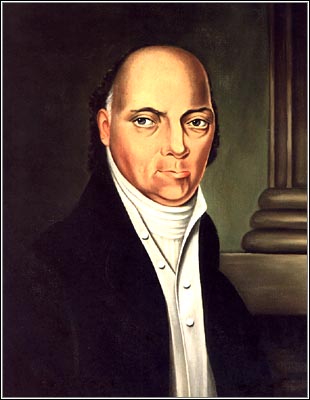
On September 26, 1789, the U.S. Senate voted to confirm  John Jay, John Rutledge, William Cushing, John Blair, Robert Harrison, and James Wilson as the first justices of the United States Supreme Court.

John Jay was confirmed as the nation’s first Chief Justice. Jay served as a delegated to both the First and Second Continental Congresses, and was elected president of the Continental Congress in 1778. He also contributed five essays to The Federalist (now known as The Federalist Papers), and was a stronger supporter of the federal Constitution of 1787. After serving as Chief Justice for five years, Jay resigned from the Supreme Court on June 29, 1795, and became Governor of New York. He declined a second appointment as Chief Justice in 1800, and President John Adams then nominated John Marshall for the position.

001_jay

John Rutledge  was elected to the South Carolina Commons House of Assembly. In 1764, he was appointed Attorney General of South Carolina by the King’s Governor and served for ten months. Rutledge served as the youngest delegate to the Stamp Act Congress of 1765.He was a member South Carolina delegation to the Constitutional Convention in 1787 and served as a member of the South Carolina Ratification Convention the following year. After one year on the Supreme Court, Rutledge resigned in 1791 to become Chief Justice of South Carolina’s highest court. On August 12, 1795, President George Washington nominated Rutledge Chief Justice of the United States. He served in that position as a recess appointee for four months, but the Senate refused to confirm him.

002_rutledge

William Cushing served as Chief Justice of the Massachusetts Supreme Judicial Court from 1780 to 1789. He strongly supported ratification of the U.S. Constitution and served as Vice Chairman of the Massachusetts Ratification Convention. Cushing served on the Court for 20 years.

002_cushing

John Blair began his public service in 1766 as a member of the Virginia House of Burgesses. In 1770, he resigned from the House to become Clerk of the Governor’s Council. Blair was a delegate to the Virginia Convention of 1776, which drafted the State Constitution. Blair became a Judge of the Virginia General Court in 1777 and was elevated to Chief Judge in 1779. From 1780 to 1789, he served as a Judge of the First Virginia Court of Appeals. Blair was a delegate to the Federal Constitutional Convention of 1787 and was one of three Virginia delegates to sign the Constitution. He was also a delegate to the Virginia Ratification Convention of 1788. He served on the Court for only 5 years, and resigned due to the rigors of circuit riding and ill health.

003_blair

Robert Harrison served as the Chief Justice of the General Court of Maryland from 1781 to 1789.Harrison, ultimately, declined to serve as an associate justice, citing health reasons. The seat eventually went to James Iredell.

robert_hanson_harrison

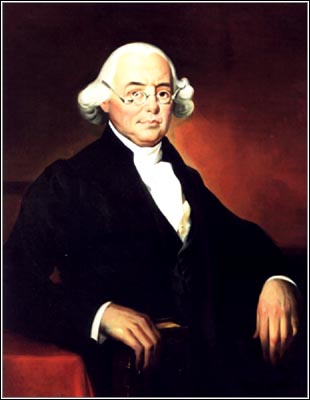
James Wilson was elected a delegate to the First Continental Congress in 1775 and was a signer of the Declaration of Independence. He also served as a delegate to the Second Continental Congress. As a delegate to the Constitutional Convention in Philadelphia in 1787, Wilson was a member of the committee that produced the first draft of the Constitution. He signed the finished document on September 17, 1787, and later served as a delegate to the Pennsylvania Ratification Convention. He served on the Court for eight years.

001_wilson

(Biographical information of the justices was provided by the Supreme Court Historical Society).

Presidential Debate Primer: Check out Washington Times Special Section on the President and the Constitution

In honor of Constitution Day this year, I took the lead on behalf of the National Constitutional Literacy Campaign on the publication of a Washington Times special section on the President and the Constitution. The special report includes articles from Senators Patrick Leahy and Mike Lee, among many others.

On the eve of tomorrow night’s presidential debate, I hope folks will consider reading, reflecting, and learning from the public officials, scholars and civic education advocates who submitted articles on this timely topic. It’s a great presidential debate primer.

The full special section is available in PDF form here.

Articles include:

Section 1: Citizens, Civic Knowledge, and Presidential Elections

(1) Julie Silverbrook, Why A Call for Civic Education and Constitutional Literacy?

(2) Julie Silverbrook, Student Competitions Spark Optimism, Civic Involvement

(3) Charles Quigley, Effective Civic Education Produces Informed Voters

(4) Dr. Michael Poliakoff, Civic Illiteracy and Civic Disempowerment

(5) Jeff Hymas, A Democratic or Republican Election? 

(6) Kyle Kondik, ‘Tyranny of the Swing States’?

(7) Meg Heubeck and Gerard Ferri, Get in the Game: Empowering America’s Next Generation to Vote

Section 2: Congress and the President

(1) Congressman George Nethercutt, Founders Intended ‘Tension’ In Co-Equal Branches

(2) Dr. Robert J. Spitzer, Political Gridlock, Past and Present

(3) Senator Patrick Leahy, Constitution Day: Protection Our Democracy

(4) Senator Mike Lee, The Battle to ‘Keep’ the American Republic

(5) Dr. Matthew Spalding, Congress and the New Imperial Presidency

Section 3: The Courts and the President

(1) Elizabeth Wydra, The President, the Constitution, and the Supreme Court

(2) Dr. Louis Fisher, How Courts Expand Presidential Power Beyond Constitutional Limits

(3) Ken Gormley, Presidents and the Supreme Court: Public Battles and Quiet Respect

Section 4: The Media and the President

(1) Julie Silverbrook, The Constitution on the Campaign Trail in 2016

(2) David Keene, the ‘Genius’ of the Constitution 

(3) Janine Turner and Andrew Langer, Is the Media Responsible for the Too-Power Presidency?

(4) Shoshana Weissman, How Social Media Gives Public Opinion Wings

Section 5: The Expansion of Presidential Authority

(1) Tim Donner, The Ever-Expanding Power of the Presidency

(2) Josh Blackman, Unteaching Professor Obama’s Constitutional Lessons

(3) Dr. Jason Stevens, Calvin Coolidge and the ‘two minds’ of the American Presidency

(4) Scott Michelman, Upholding the Right ‘To Be Let Alone’

227 Years Ago Congress Approved the Bill of Rights


bill_of_rights_630

On September 25, 1789, Congress approved 12 amendments to the United States Constitution and sent them to the states for ratification. The 10 amendments that were ultimately ratified (on December 15, 1791) became known as the Bill of Rights.

Here are the 12 amendments sent to the states on September 25. You might be surprised by the issues that ranked first and second above our now First Amendment. The second amendment proposed in 1789, regarding congressional pay, was ratified nearly 203 years later in 1992 and is now the 27th amendment to the U.S. Constitution.

THE Conventions of a number of the States, having at the time of their adopting the Constitution, expressed a desire, in order to prevent misconstruction or abuse of its powers, that further declaratory and restrictive clauses should be added: And as extending the ground of public confidence in the Government, will best ensure the benificent ends of its institution
RESOLVED by the Senate and House of Representatives of the United States of America, in Congress assembled, two thirds of both Houses concurring, that the following Articles be proposed to the Legislatures of the several States, as amendments to the Constitution of the United States, all or any of which Articles, when ratified by three fourths of the said Legislatures, to be valid to all intents and purposes, as part of the said Constitution; vizt.
ARTICLES in addition to, and amendment of the Constitution of the United States of America, proposed by Congress, and ratified by the Legislatures of the several States, pursuant to the fifth Article of the original Constitution.

ARTICLE THE FIRST. After the first enumeration required by the first Article of the Constitution, there shall be one Representative for every thirty thousand, until the number shall amount to one hundred, after which, the proportion shall be so regulated by Congress, that there shall be not less than one hundred Representatives, nor less than one Representative for every forty thousand persons, until the number of Representatives shall amount to two hundred, after which the proportion shall be so regulated by Congress, that there shall not be less than two hundred Representatives, nor more than one Representative for every fifty thousand persons.

ARTICLE THE SECOND. No law, varying the compensation for the services of the Senators and Representatives, shall take effect, until an election of Representatives shall have intervened.

ARTICLE THE THIRD. Congress shall make no law respecting an establishment of religion, or prohibiting the free exercise thereof; or abridging the freedom of speech, or of the press, or the right of the people peaceably to assemble, and to petition the Government for a redress of grievances.

ARTICLE THE FOURTH. A well regulated militia, being necessary to the security of a free State, the right of the people to keep and bear arms, shall not be infringed.

ARTICLE THE FIFTH. No Soldier shall, in time of peace be quartered in any House, without the consent of the owner, nor in time of war, but in a manner to be prescribed by law.

ARTICLE THE SIXTH. The right of the people to be secure in their persons, houses, papers, and effects, against unreasonable searches and seizures, shall not be violated, and no warrants shall issue, but upon probable cause, supported by oath or affirmation, and particularly describing the place to be searched and the persons or things to be seized.

ARTICLE THE SEVENTH. No person shall be held to answer for a capital, or otherwise infamous crime, unless on a presentment or indictment of {a} Grand Jury, except in cases arising in the land or naval forces, or in the militia, when in actual service in time of war or public danger; nor shall any person be subject for the same offence to be twice put in jeopardy of life or limb; nor shall be compelled in any criminal case to be a witness against himself, nor be deprived of life, liberty, or property, without due process of law;nor shall private property be taken for public use, without just compensation.

ARTICLE THE EIGHTH. In all criminal prosecutions, the accused shall enjoy the right to a speedy and public trial, by an impartial jury of the State and district wherein the crime shall have been committed; which district shall have been previously ascertained by law, and to be informed of the nature and cause of the accusation; to be confronted with the witnesses against him; to have compulsory process for obtaining witnesses in his favor, and to have the assistance of counsel for his defence.

ARTICLE THE NINTH. In suits at common law, where the value in controversy shall exceed twenty dollars, the right of trial by jury shall be preserved, and no fact tried by a jury, shall be otherwise re-examined in any Court of the United States, than according to the rules of the common law.

ARTICLE THE TENTH. Excessive bail shall not be required, nor excessive fines imposed, nor cruel and unusual punishments inflicted.

ARTICLE THE ELEVENTH. The enumeration the Constitution, of certain rights, shall not be construed to deny or disparage others retained by the people.

ARTICLE THE TWELFTH. The powers not delegated to the United States by the Constitution, nor prohibited by it to the States, are reserved to the States respectively, or to the people.


You can explore the legislative history of the Bill of Rights in the ConSource digital library. 

100 years in the making, National Museum of African American History and Culture Opens on the National Mall

The National Museum of African American History and Culture opens today on the National Mall. It opens 100 years after the museum was first proposed and 13 years after it was authorized by Congress.

The museum’s website describes the NMAAHC as

[T]he only national museum devoted exclusively to the documentation of African American life, history, and culture. It was established by Act of Congress in 2003, following decades of efforts to promote and highlight the contributions of African Americans. To date, the museum has collected more than 36,000 artifacts. Nearly 100,000 individuals have become charter members of the museum.

The website goes on to spell out the four pillars on which the new museum is premised -It provides an opportunity for those who are interested in African American culture to explore and revel in this history through interactive exhibitions;

  1. It helps all Americans see how their stories, their histories, and their cultures are shaped and informed by global influences;

  2. It explores what it means to be an American and share how American values like resiliency, optimism, and spirituality are reflected in African American history and culture; and

  3. It serves as a place of collaboration that reaches beyond Washington to engage new audiences and to collaborate with the myriad of museums and educational institutions that have explored and preserved this important history well before this museum was created.

Congressman John Lewis, who was a driving force behind the museum, said “There were some who said it couldn’t happen, who said ‘you can’t do it’ but we did it. . . This place is more than a building. It is a dream come true.”

The museum opened with a series of celebrations and speeches (many still ongoing) from Chief Justice John Roberts (who serves as the chancellor of the Smithsonian Institution), President Barack Obama, former president George W. Bush (who signed the 2003 bill authorizing the museum), Oprah Winfrey, and many others.

Lonnie Bunch, the director of the NMAAHC, said of the museum that it will “not just tell of a people’s journey, but a nation’s story.” He went on to say, “There is nothing more powerful than a people, than a nation steeped in history. . . And nothing more noble than honoring all of our ancestors by remembering.”

President Obama, the nation’s first black president, said, “This national museum helps to tell a richer and fuller story of who we are. It helps us better understand the lives, yes, of the president but also the slave, the industrialist but also the porter, the keeper of the status quo but also the activist seeking to overthrow that status quo.” He went on to say, in imagining taking his grandchildren to the museum, that “[t]ogether we’ll learn about ourselves, as Americans.”

The museum now owns close to 37,000 artifacts. You can explore their collection online here.

Here are some interesting artifacts in the museum’s collection:

(1) Digital collection of manuscripts and images related to the Freedmen’s Bureau;

(2) Rosa Parks’ dress

(3) The pen used by Lyndon B. Johnson to sign the Voting Rights Act of 1965

(4) Program from the March on Washington (1963)

(5) Jim Crow-era Southern Railway car

(6) Nat Turner’s Bible

(7) Emmett Till’s casket